
Have you ever noticed your stomach feeling bloated or gassy after a particularly stressful day? It’s not just your imagination. Stress and digestive health are intricately connected, thanks to a network of communication between your brain and your gut (aka the gut-brain axis).
Table of Contents
And tragically, this stress can lead to – dun, dun, dun – unwelcome gas. Yikes!
Never fear: I’m Amanda, a California-based registered dietitian here to help you finally have digestive health relief. Let’s learn how to pump the brakes on your, ahem, gas.
While occasional gas can be a normal part of digestion, chronic stress can exacerbate these symptoms, making gas, bloating, and other digestive issues more frequent, uncomfortable, and smelly. Today, we’ll explore why stress impacts digestion, common triggers that worsen the issue, and practical strategies to manage both stress and its digestive effects.
Let’s kick off this post with a look at how our brain and digestive system are connected.
The Gut-Brain Axis: How Stress Impacts Digestion
On any given day, are you and your best friend texting, sending reels on Instagram, following up on an email, and also sharing Snapchats about the silly and mundane things in your life? You’re chatty!
Like you and your bestie, your gut and brain are in constant communication. This connection is facilitated by different pathways, including the nervous system, hormones, and even gut bacteria, which work together to ensure your digestion runs smoothly.
However, when you’re stressed, these communication channels can be disrupted.
What Happens When You Are Stressed?
When you’re exposed to stress, your nervous system activates the fight-or-flight response, reallocating energy and blood flow away from “non-essential” functions like digestion.
The purpose of this change is to help your muscles be able to evade physical danger (not today, saber-toothed tiger!), but in our modern world, the causes of our stress tend to be work deadlines, the cost of groceries, and horrific commutes. In other words, it isn’t an occasional moment of stress: it’s chronic!
Chronic stress can lead to a host of unpleasant symptoms, including inflammation in the gut, reduced motility (slower digestion), or overactive gut contractions that result in gas and bloating (1).
The long-term implications can be even more severe. Chronic stress can alter gut bacteria, compromise the intestinal lining, and even contribute to conditions like Irritable Bowel Syndrome (IBS) (2, 3). Research from studies on the gut-brain link shows higher instances of gastrointestinal symptoms in individuals with high stress levels – Ugh (4)!
Why? Let’s explore.

Common Triggers That Worsen the Problem
Understanding what aggravates stress-related digestive issues can help you take control. Here are a few factors that might increase your discomfort:
- Hasty Eating Habits:
Gulping down meals in a rush often leads to swallowing excess air, which can create gas (5). Add stress into the mix, and your digestion slows further, increasing discomfort.
- Unhealthy Food Choices:
Stress feels, well, uncomfortable. And so, when we are stressed, we seek comfort, including specific foods that make us feel good: think pizza, ice cream, chips, alcoholic drinks, and mac and cheese. While comforting in the moment, these foods can be hard to digest and increase gas production.
- Excessive Caffeine or Alcohol:
Both your iced coffee and glass of red wine can irritate the gut lining and cause inflammation, especially when consumed during periods of high stress (6, 7).
FYI – coffee isn’t “good” or “bad” per se. For a deeper dive into the pros and cons of coffee, especially if you have IBS, check out this article: Coffee and Your Gut: Is it Good for Gut Health?
- Lack of Mindful Eating:
If we are worried about the proverbial “saber-toothed tiger”, we aren’t going to be present and focused on our meals and snacks. Eating while distracted or overwhelmed prevents your body from focusing on digestion, which can lead to poorly digested food causing bloating and gas (8).
- Chronic Anxiety:
Recurring emotional stress can upset the balance of gut bacteria, leading to increased fermentation of food in the intestines and subsequent gas (9).
So, now that we have established the many connections between stress and how you feel in your body, what can you do to improve your digestion (and minimize your gas!)?
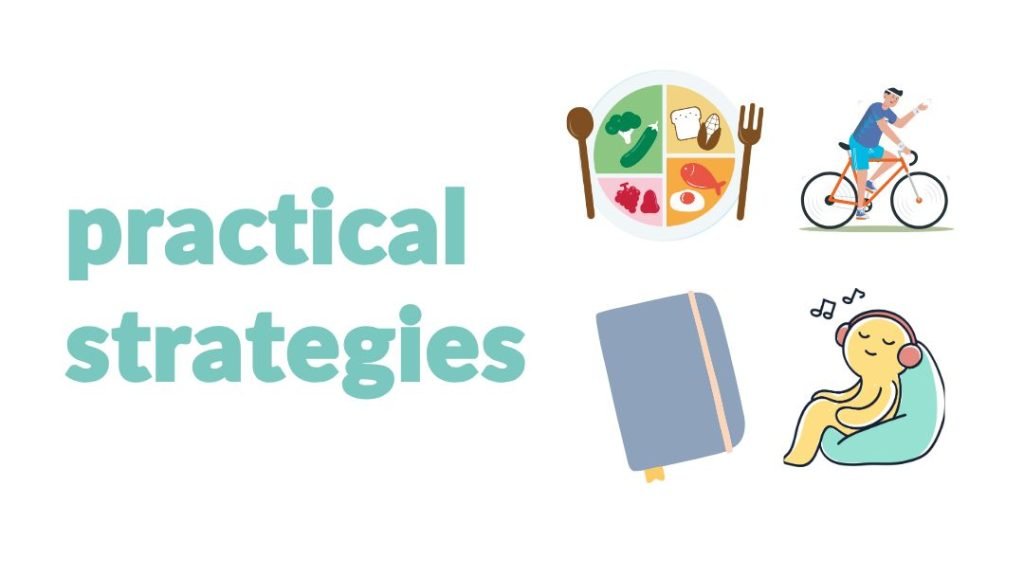
Practical Strategies for Managing Stress and Gas
The good news is that there are relatively simple ways to mitigate stress-induced digestive distress. Implementing these strategies may improve your gut health and overall well-being.
1. Practice Mindful Eating
Eating slowly and attentively allows your body to properly digest your food. Try putting your utensils down between bites or chewing each bite 20–30 times. Engage all your senses by appreciating the taste, smell, and texture of every bite.
2. Adopt a Relaxation Routine
Relaxation techniques such as deep breathing, yoga, or meditation can shift your body into a parasympathetic “rest-and-digest” state, counteracting the effects of the fight-or-flight response (10). Just five minutes of rhythmic breathing can make a difference.
3. Monitor Your Trigger Foods
Keep a food diary to identify which meals or ingredients worsen your symptoms. Common culprits include carbonated drinks, beans, broccoli, onions, as well as coffee and alcoholic drinks. To help track these possible triggers, I have a complimentary Food & Mood Journal for you to help find the connections between what you’re eating and your symptoms.
Curious about your favorite cocktail and your gut health? Read here: Alcohol and leaky gut.
4. Set Healthy Boundaries
Reducing your stress levels often requires addressing the source. Whether it’s learning to say “no” to excessive responsibilities or taking regular breaks during work, setting boundaries can ease mental tension and, in turn, physical symptoms.
5. Increase Physical Activity
Exercise improves digestion by stimulating intestinal contractions, helping food move along more efficiently. Even a 20-minute walk after a meal can help reduce bloating and gas (11).
6. Address Constipation
If you’re not having a #2 most days, chances are you’re constipated! If you’re constipated, you might be experiencing more gas. Work on increasing your fiber bit by bit, along with hydration, and make sure that you’re walking and stretching regularly to support your gut motility.
Plus, did you know that certain foods are especially helpful for increasing motility? Check out these articles for some inspiration:
- Do Kiwis Make You Poop? The Power of Kiwis for Gut Health
- Does apple juice make you poop? It might.
- Does pumpkin make you poop?
Talk to Your Doctor & Registered Dietitian
If gas and bloating persist despite trying these strategies, consider consulting a healthcare professional. Severe or chronic symptoms could indicate an underlying condition like IBS or small intestinal bacterial overgrowth (SIBO).
How Mindfulness Can Reframe Stress and Improve Digestion
Mindfulness practices have gained significant attention for their ability to address stress-related digestive concerns. Mindful eating, in particular, focuses on genuine awareness of your emotional and physical state while eating.
This approach encourages:
- Non-judgmental awareness: Acknowledging cravings or discomfort without guilt.
- Identification of hunger cues: Understanding if you’re eating due to hunger or emotional stress.
- Appreciation of food’s sensory elements: Savoring textures, aromas, and flavors to enrich your dining experience.
Research has shown that mindful eating activates the parasympathetic nervous system, supporting optimal digestion and reducing stress-induced digestive irregularities.
Moving Forward for a Stress-Free Digestive System
Your gut and brain are in constant conversation, and stress can be the bully that tries to dominate that dialogue. By adopting mindful eating practices, managing triggers, and implementing stress-reduction strategies, you can significantly improve both your gut health and overall well-being.
Remember, some changes take time to show results, so give yourself grace as you experiment with new habits. Listening to your body is the first step toward finding what works best for you.
If you’re struggling with persistent symptoms or don’t know where to start, try using my Food & Mood Journal to help gather data. These patterns can be hard to figure out without tracking! Then, when you speak with a healthcare professional about developing a comprehensive plan tailored to your needs, your appointments will be much more helpful. Your gut (and mind) will thank you!

Amanda is a pizza loving registered dietitian nutritionist specializing in mindfulness and gut health. She quickly realized that gut health goes beyond the gut; it is also about honoring our gut feelings. She is the creator of The Mindful Gut™ which uses science and strategy to help people improve their gut health.
