
Table of Contents
Your gut health affects everything from your energy levels to your mood, yet many of us struggle to know where to start when it comes to supporting our digestive system. The good news? You don’t need expensive supplements or complicated meal plans. Some of the most powerful gut-supporting foods are simple, affordable ingredients you might already have in your kitchen.
Hello and welcome! I’m Amanda, a California-based registered dietitian, here to help you cut through the noise about fad diets and quick fixes and help you cultivate true and lasting gut health.
Let’s explore ten accessible superfoods that can transform your gut health—and your overall wellbeing—starting today.
Why Your Gut Health Matters More Than You Think
Your gut houses trillions of bacteria that influence everything from your immune system to your mental clarity (1). When this delicate ecosystem is out of balance, you might experience bloating, fatigue, mood swings, or frequent illness (2). The foods you choose can either support these beneficial bacteria or work against them.
How do you know if something is wrong? Your gut will tell you. Here is how to know: 10 Signs of an Unhealthy Gut (And How to Address Them).
The beauty of focusing on simple superfoods lies in their accessibility. You don’t need to overhaul your entire diet overnight. Small, consistent changes with these proven foods can create lasting improvements in how you feel every day.
Quick disclaimer: There is no actual definition for what a “superfood” is. In truth, the term is a marketing one. Companies can declare any and all foods and products to be superfoods (3). However, I do think that this list of foods is pretty darn, well, super. They’re accessible at any grocery store, affordable, and do a darn good job of boosting your gut health. I’d call that super, how about you?

Kombucha: Your Daily Dose of Living Probiotics
This fermented tea has gained popularity for good reason. Kombucha contains live probiotic strains that can help populate your gut with beneficial bacteria (4).
When shopping for kombucha, look for varieties that specifically list “live and active cultures” on the label—this ensures you’re getting the tiny helpers that can survive the journey to your intestines. If they’re pasteurized, the living organisms have been killed, so you’re not getting the benefit that you’re looking for. Also, keep an eye on the added sugars; some kombuchas don’t have any (they’re sweetened with fruit juice), and others have quite a bit of added sugars, which does detract from the health benefits a bit.
My personal favorite kombucha is XYZ; I like it by itself as well as mixed with seltzer and other juices to make refreshing mocktails.
Start with half a cup daily and gradually increase your intake. The slight tanginess might take some getting used to, but many people find that kombucha becomes a refreshing afternoon pick-me-up that supports their digestive health.
Apples: Nature’s Prebiotic Powerhouse
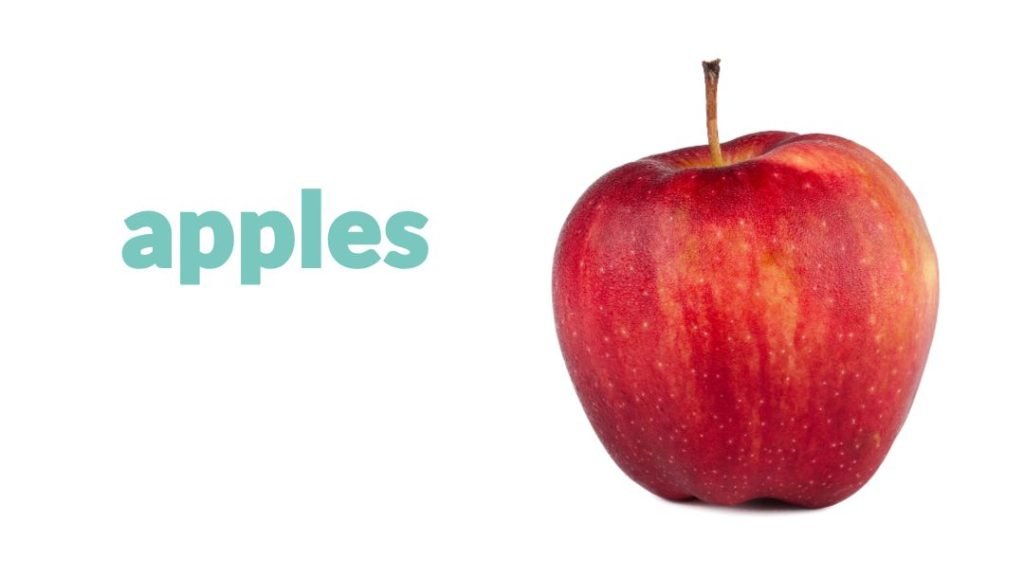
An apple a day really might keep digestive issues away. Apples are rich in pectin, a type of soluble fiber that acts as a prebiotic—essentially food for your beneficial gut bacteria (5). This fiber helps these good bacteria flourish while supporting regular bowel movements and lowering your cholesterol to boot.
Hot Tip: Apples have many benefits beyond the fiber. Here are a few more reasons to eat apples regularly: Bite into Better Health by Adding Apples to Your Diet.
The skin contains the highest concentration of beneficial compounds, so opt for organic apples when possible and eat them whole. Try slicing apples with a tablespoon of almond butter for a gut-friendly snack that also provides healthy fats and protein. Or, if you’re having a sweet tooth, try my Air Fryer Baked Apples with Oat and Walnut Filling – they’re delicious!
Speaking of oats – they’re a gut superfood, too!
Oats: The Gentle Fiber Champion
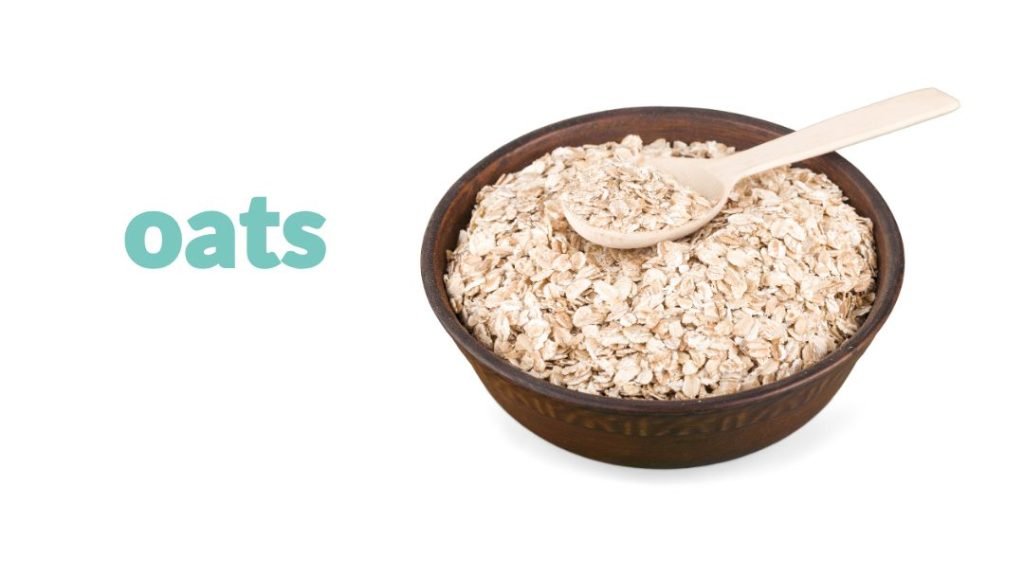
Oats contain beta-glucan, a special type of soluble fiber that creates a gel-like substance in your digestive tract. This helps slow digestion, allowing your gut bacteria more time to ferment and produce beneficial compounds (6). The result? Better nutrient absorption and more stable blood sugar levels.
Steel-cut oats have just a bit more of their beneficial properties than instant varieties, and they’re perfect for anyone who loves a meal prep idea. Prepare a big batch on Sunday and reheat portions throughout the week with fresh berries and a sprinkle of ground flaxseed or chia seeds for extra gut-supporting benefits.
Chia Seeds: Tiny Seeds, Massive Benefits
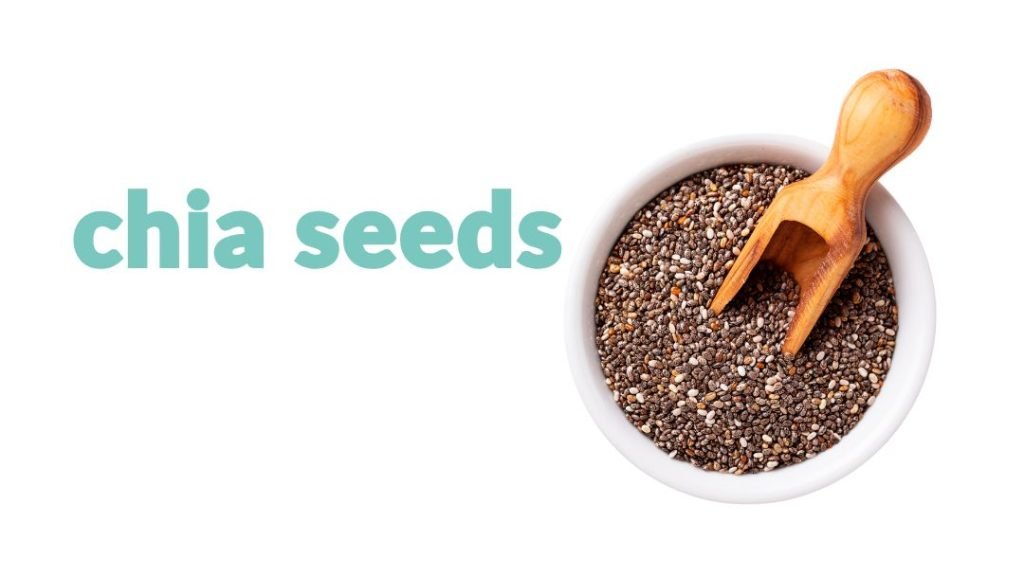
Don’t let their size fool you—chia seeds pack an impressive nutritional punch. They’re loaded with fiber, protein, and omega-3 fatty acids (7). When mixed with liquid, they form a gel that can help improve satiety and support healthy digestion.
Add a tablespoon to your morning smoothie or create overnight chia pudding by mixing three tablespoons of chia seeds with one cup of your favorite plant milk. Let it sit overnight, and you’ll have a pudding-like breakfast ready to go. You’re also welcome to give my Banana Chia Pudding recipe a try; you – and your gut – will love it.
You can also whip up a batch of my Blueberry Chia Jam and then use that to jazz up your next bowl of oatmeal or as a topping for yogurt. Talk about a gut superfood match made in heaven!
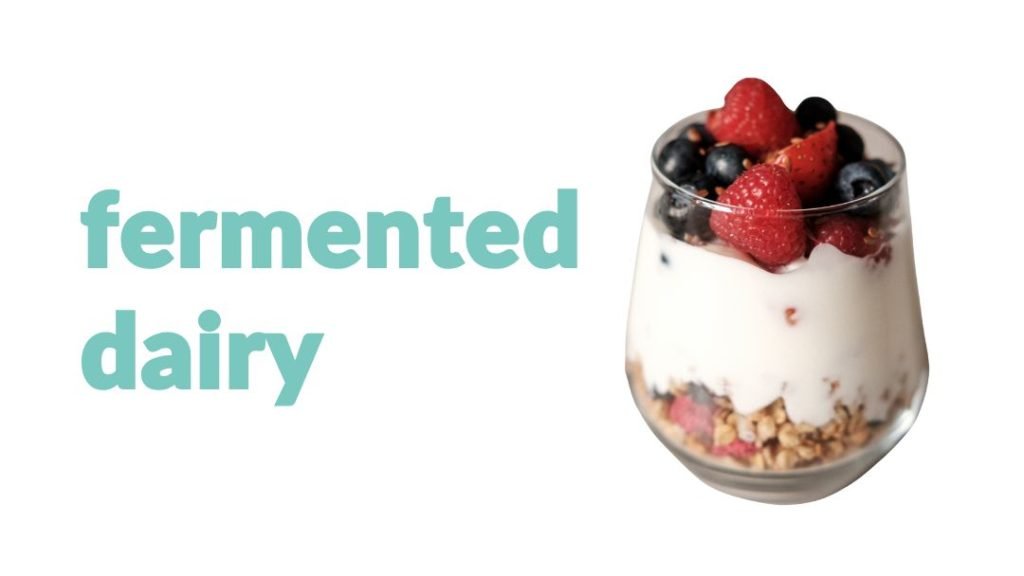
Fermented Dairy: Easier on Your System
Traditional dairy can be challenging for many people to digest, but fermented dairy products like yogurt and kefir contain beneficial bacteria and have reduced lactose content. The fermentation process breaks down much of the lactose, making these foods easier to digest.
Look for products labeled with “live and active cultures.” Greek yogurt with berries makes an excellent breakfast, while kefir can be blended into smoothies for a probiotic boost. Here is my favorite smoothie recipe that uses kefir: Strawberry Kefir Smoothie.
If you’re going to be hanging out with friends or having a date night at home soon, be sure to bookmark my post about A Dessert Charcuterie Board Using Fermented Dairy – it’s a delicious love letter to your taste buds and your gut health.
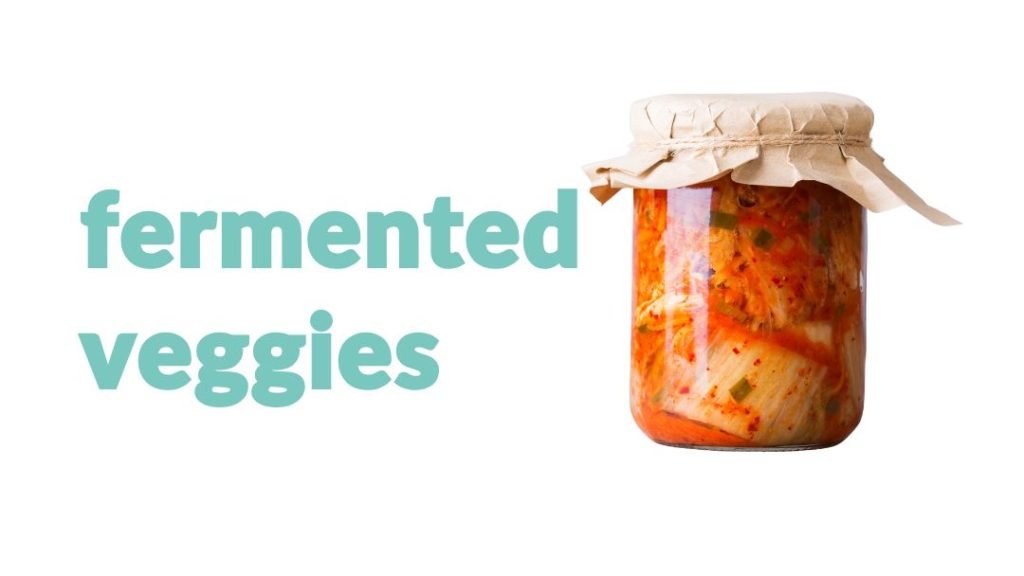
Fermented Vegetables: Digestibility Meets Flavor
Sauerkraut, kimchi, and other fermented vegetables offer a double benefit: they’re easier to digest than their raw counterparts, and they’re teeming with beneficial bacteria. The fermentation process also increases the bioavailability of certain nutrients.
Start with small portions—about a quarter cup daily—as your gut adjusts to the increased beneficial bacteria. These tangy additions can transform simple meals and provide a satisfying crunch to salads and grain bowls.
I also love adding some kimchi to complement the umami flavors of a meat or I’ll add sauerkraut to my sandwiches.
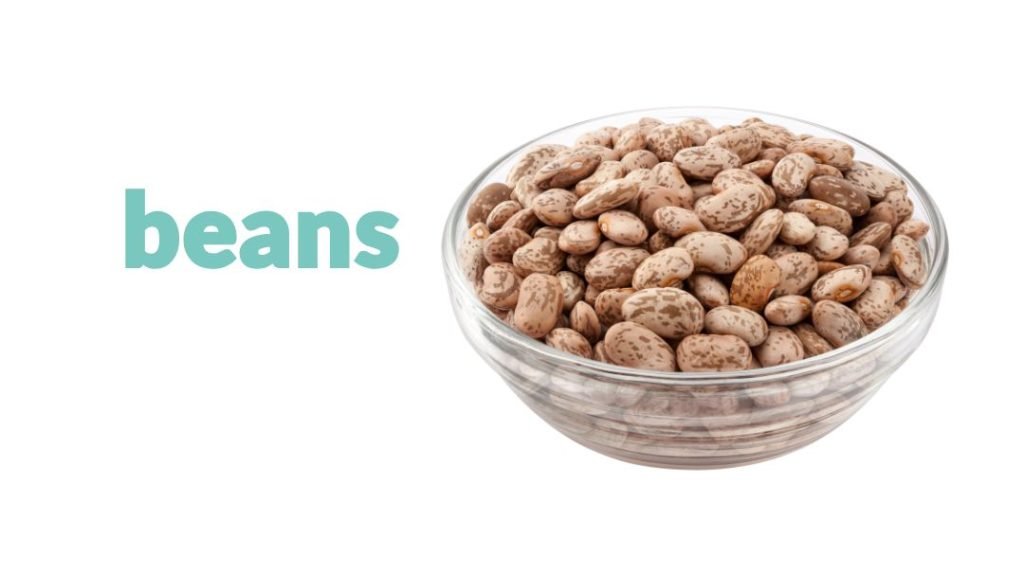
Beans: The Affordable Protein-Fiber Combo
Beans are nutritional powerhouses that provide both protein and fiber in one affordable package. Research from the BE GONE trial showed that participants who consumed a daily cup of navy beans experienced increased gut microbiota diversity and beneficial changes in their gut bacteria, including higher levels of Faecalibacterium and Bifidobacterium (8).
Dried beans offer the best value, and using an Instant Pot can make cooking them quick and convenient. Cook large batches and freeze portions for easy meal additions throughout the week.
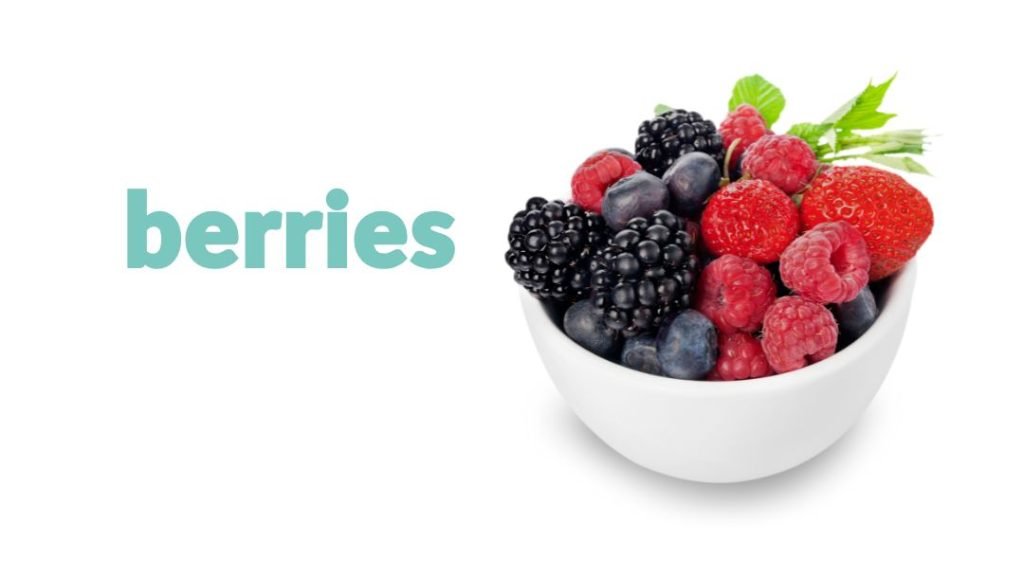
Berries: Antioxidant-Rich Gut Supporters
Cranberries and blueberries deserve special recognition for their gut health benefits and beyond. Research shows that cranberries contain proanthocyanidins (PACs) that help reduce harmful bacterial adhesion while supporting healthy gut bacteria (9). Studies indicate that drinking cranberry juice twice daily could help prevent H. pylori infections naturally (10).
Blueberries, according to systematic research, can improve intestinal cell health, reduce leaky gut, and improve the gut microbiota community (11). Fresh or frozen, these berries make excellent additions to oatmeal or yogurt, or can be eaten on their own as a satisfying snack.
I also love these Raspberry Bliss Balls, which have not only raspberries, but also have chia seeds and oats – woot!
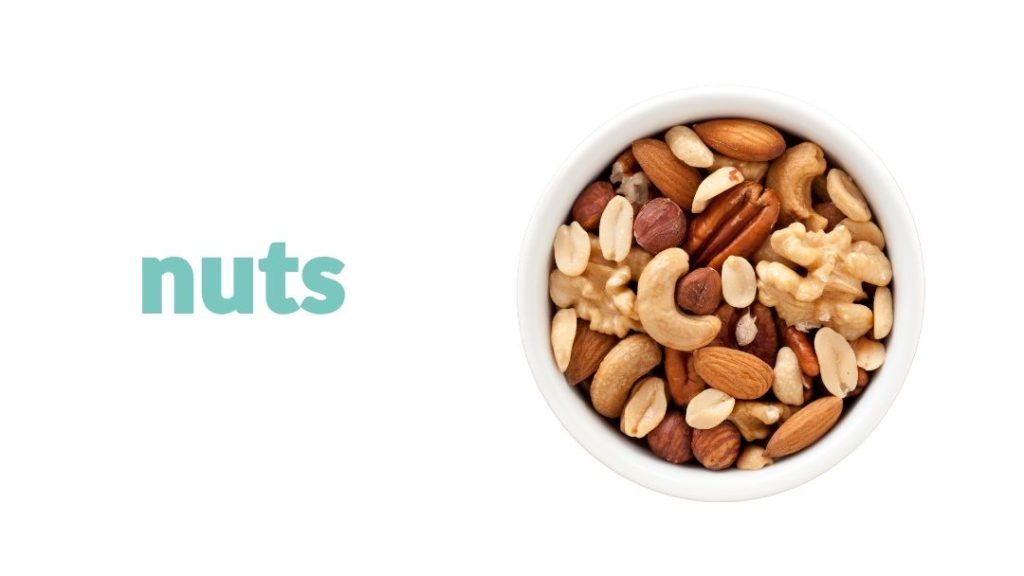
Nuts: Fiber, Protein, and Healthy Fats Combined
Nuts provide a perfect trifecta of gut-supporting nutrients: fiber, protein, and healthy fats. Research shows that when we digest nuts, we can produce short-chain fatty acids (SCFAs), which are beneficial for bowel health and beyond (12). These SCFA compounds help maintain the integrity of your intestinal lining – begone, leak gut – and support overall digestive health.
A small handful (about one ounce) daily provides substantial benefits without excess calories. Almonds, walnuts, and pistachios have been specifically studied for their gut health benefits.
Making These Superfoods Work for You
The key to success with any gut health plan is to aim for progress and consistency rather than perfection. Start by incorporating one or two of these foods into your daily routine. As your gut adapts and you begin feeling the benefits, gradually add more variety.
Remember that everyone’s gut microbiome is unique. What works wonderfully for one person might need adjustment for another. Pay attention to how your body responds and adjust accordingly.
Your Next Step Toward Better Gut Health
Supporting your gut health doesn’t have to be complicated or expensive. These ten simple superfoods offer a practical starting point for anyone looking to improve their digestive health and overall well-being.
Ready to take your gut health journey to the next level? Join the group chat where you’ll connect with others who are also working on cultivating their best gut health. Share experiences, get practical tips, and learn new ways to incorporate these powerful foods into your daily routine. Your digestive system—and your entire body—will thank you.

Amanda is a pizza loving registered dietitian nutritionist specializing in mindfulness and gut health. She quickly realized that gut health goes beyond the gut; it is also about honoring our gut feelings. She is the creator of The Mindful Gut™ which uses science and strategy to help people improve their gut health.
