
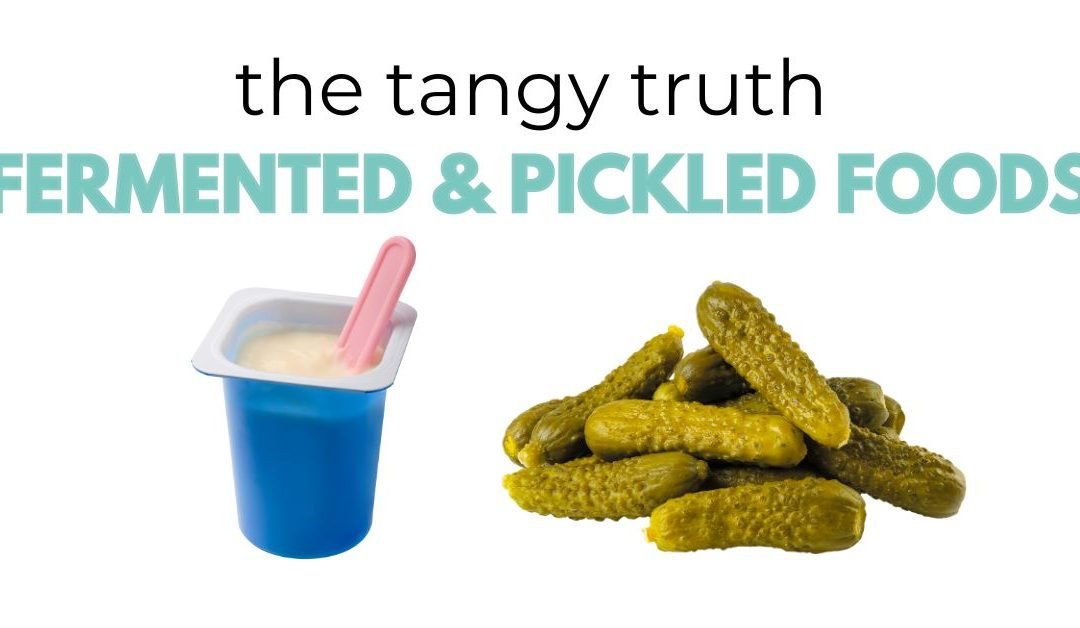
Pickled and fermented foods have become increasingly popular for their unique flavors and health benefits. While both processes involve preserving foods, they differ in their methods and nutritional profiles.
Table of Contents
In this article, you’ll learn the key differences between how these types of foods are prepared, explore pickled vs fermented health benefits, and gather some ideas for including more of them in your diet.
Definitions and Key Differences
Pickled vs fermented foods are similar but different. Let’s start by defining their unique characteristics.
What is fermented food?
As their name implies, fermented foods have undergone a process of fermentation, where natural bacteria, yeasts, or other microorganisms convert carbohydrates — like sugars and starches — into alcohol or organic acids. This process takes place in an anaerobic environment, meaning there’s no oxygen present. This helps enhance flavor, retain certain nutrients, and preserve the quality of the food.
Fermented foods are best known for being a source of probiotic bacteria, the healthy bacteria that live throughout your digestive tract and support overall well-being.
Some common examples of fermented foods include:
- Sauerkraut
- Yogurt
- Kimchi
- Kefir
- Kombucha
- Miso
- Tempeh
- Natto
- Sourdough bread
Are pickles fermented? Not technically. Pickles are the original pickled food, but they’re not the only ones. Let’s get into what pickled foods are next.
What are pickled foods?
Like fermented foods, pickled foods undergo a process of preservation and flavor enhancement. However, instead of going through fermentation, pickled foods are immersed in an acidic solution like vinegar or brine made of saltwater.
The addition of the brine does cause the beneficial bacteria on the cucumbers to convert some of the sugars into lactic acid. This is why you may see “fermented” on the labels of some pickles. So technically, while they aren’t fermented in the same way, this process does contribute to the tangy flavor. It also helps preserve vitamins and antioxidants.
Pickling may involve plants like onions, beets, olives, and cucumbers, as well as spices and herbs. The process involves quickly heating the acidic solution and pouring it over the food. Alternatively, you can extend the process by allowing the foods to ferment slightly in the brine.
How They Are Made
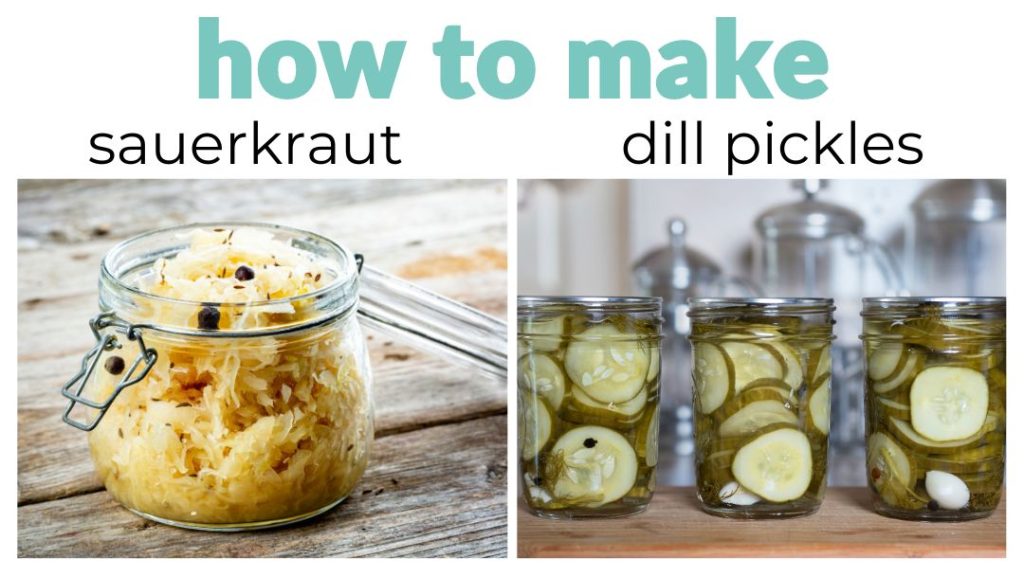
Making fermented and pickled foods at home can be fun. Here are a couple of step-by-step ideas.
How to Make Fermented Cabbage (Sauerkraut)
Ingredients
- 1 medium to large head of green cabbage (approximately 2-3 pounds)
- 1-2 tablespoons of non-iodized salt (such as sea salt or kosher salt)
- Optional: Caraway seeds, juniper berries, or other spices for flavor
Directions
- Removing any damaged outer cabbage leaves, keeping one or two aside for later. Cut the cabbage into fourths, remove the core, and then slice it into thin shreds.
- Place shredded cabbage in a large mixing bowl, sprinkle it with salt, and massage it for 5-10 minutes. It will soften and release liquid (brine).
- Pack the salted cabbage into sterilized mason jars. Press down firmly to remove air pockets and ensure it’s submerged.
- Leave 1-2 inches of space at the top of the jar to allow for expansion.
- Place the cabbage leaves you saved in the beginning over the top of the packed cabbage to help keep it submerged. Add something heavy in your kitchen, like a cast iron skillet, a smaller jar filled with water, or a clean rock on top of the leaves to keep everything under the brine. Cover the jar with a clean cloth and secure it with a rubber band.
- Place your jar in a cool, dark place. Check on it daily to make sure the cabbage is still submerged and adjust as needed. It can take a few days to weeks to ferment fully.
- Start tasting your sauerkraut after 3-5 days. It should be tangy, but allow it to continue fermenting if you want to enhance the flavor more.
- Once you think it’s done, remove the weight and cabbage leaves and transfer the sauerkraut to clean glass jars with tight-fitting lids. Store it in the fridge for up to several months.
How to Make Pickled Cucumbers (Dill Pickles)
Ingredients
- 2 pounds of cucumbers (small pickling cucumbers are best)
- 4 cups water
- 4 cups white vinegar
- 1/4 cup non-iodized salt
- 1 tablespoon sugar (optional)
- 4 cloves garlic, peeled and halved
- 2 tablespoons dill seeds or 4-6 fresh dill sprigs
- 1 tablespoon black peppercorns
- 1 tablespoon mustard seeds
- Optional: Red pepper flakes for a spicy kick
Directions
- Wash the cucumbers thoroughly. Cut off the ends (these contain enzymes that can make pickles soft). Leave the remaining cucumber whole or cut them into spears or rounds.
- Sterilize mason jars and lids by boiling them in water for 10 minutes, then let them air dry on a clean towel.
- Place 1-2 garlic cloves, a few dill sprigs or 1/2 tablespoon of dill seeds, 1/2 tablespoon of black peppercorns, and 1/2 tablespoon of mustard seeds in each jar. Add red pepper flakes if you like.
- To make the brine, combine water, vinegar, salt, and sugar (if using) in a large pot. Bring it to a boil, stirring to dissolve the salt and sugar. Remove from the heat.
- Tightly pack the prepared cucumbers into the jars, leaving about 1/2 inch of space at the top. Pour the hot brine over them so they’re fully submerged. Remove any air bubbles by gently tapping the jars on the counter or using a clean utensil to poke around the edges.
- Wipe the rims of the jars with a clean cloth and screw the lids on.
- Keep the jars at room temperature to cool down. (You should hear a “ping” as the jars seal.)
- Move your pickles to the fridge, where they should sit for at least 48 hours (or even 1-2 weeks) before eating.

Potential Health Benefits
You might be asking, pickled vs fermented, which is better for my health? Fermented and pickled foods offer many health benefits, some of which overlap and others that are unique.
Some of the benefits of eating fermented foods include:
- Probiotics: Beneficial bacteria produced during fermentation support a healthy gut microbiome and contribute to overall well-being. However, more research is needed on the digestive effects of eating fermented foods.
- Note: Not all fermented foods can technically be called probiotic foods because we don’t always know the different types of bacteria and the quantities. This doesn’t mean that fermented foods can’t be a source of beneficial bacteria.
- Enhanced immune function: Fermented foods may support better immune function, probably due to how their probiotics impact the gut microbiome. However, the evidence is mixed.
- Better mental health: Some research suggests that microbes like Lactobacillus and Bifidobacteria in fermented foods may influence the gut microbiome in a way that supports brain health.
- Food preservation: Fermentation extends the shelf life and preserves nutrients in perishable foods without the need for artificial preservatives.
Adding more pickled foods to your diet may provide these benefits:
- Blood sugar control: Some research shows that vinegar can help improve blood sugar regulation, which is often used in pickling.
- Reduced risk of diabetes: One study found that regularly eating pickled vegetables can reduce the long-term risk of diabetes.
On the other hand, some studies suggest a potential association between eating a lot of pickled foods and an increased risk for digestive-related cancers (because of how they influence gut bacteria) and the erosion of tooth enamel (because of the acidity of vinegar), but more research is needed. However, gastric cancer risk is influenced by many factors, and enjoying pickled foods in moderation is unlikely to be harmful for most people.
How to Use Pickled and Fermented Foods
If you’ve never intentionally used pickled and fermented foods before, you might be uncertain how to add them to your diet pattern. Here are some ideas:
- Serve kimchi or sauerkraut alongside main courses
- Eat pickles or pickled carrots and green beans straight from the jar
- Top toast or scrambled eggs with fermented vegetables
- Add pickles, sauerkraut, jalapenos, or kimchi to sandwiches, burgers, or wraps for a tangy crunch
- Stir miso paste into soups or homemade dip and salad dressings for a rich umami flavor
- Add fermented veggies like beets, radishes, or carrots to salads and protein bowls
- Blend kefir or yogurt into smoothies for added probiotics
- Include a variety of pickled vegetables alongside cheeses, crackers, olives, nuts, and meats on a charcuterie board
- Mix pickled relish into the filling for deviled eggs
Pickling vs Fermenting: Final Thoughts
Fermented and pickled foods offer tangy, bold flavors that can accompany a variety of dishes or be enjoyed on their own. They provide several potential health benefits, whether you’re looking to add more natural probiotics or support healthy blood sugar regulation. Plus, making them yourself provides a fun opportunity to experiment with new skills.

Amanda is a pizza loving registered dietitian nutritionist specializing in mindfulness and gut health. She quickly realized that gut health goes beyond the gut; it is also about honoring our gut feelings. She is the creator of The Mindful Gut™ which uses science and strategy to help people improve their gut health.
